SILBA - THE PAST UNDER THE STARS
Exhibition of photographs from the 1870s to the 1970s
Autorice: Katica Burić Ćenan i Jelena Stošić (Žorž)
Society for the Protection of Silba's Natural and Cultural Heritage - Samotvorac
The exhibition Silba – Past Under the Stars takes us through hundred years of the island's community life, from a time when Silba was a populated and lively island with more than a thousand inhabitants to the period after the Second World War, marked by emigration and decline in population. Photographs and preserved memories reveal the daily life of the Silbans – family life, childhood, schooling, work, weddings, holidays, masquerades and farewells. Each recorded image bears witness to their sense of community, diligence and connection to the sea, the island and tradition. Through family portraits, school photographs, and pictures of work and celebration, we see how customs, values, and identity were passed down from generation to generation, in the same time embracing the influences of the wider world brought to Silba by its seafarers and travellers. This exhibition is not just a glance into the past, but a reminder of the life, people and stories that have shaped the identity of Silba – an island whose memories still shine today under the same starry sky.
The exhibition Silba – Past Under the Stars takes us through hundred years of the island's community life, from a time when Silba was a populated and lively island with more than a thousand inhabitants to the period after the Second World War, marked by emigration and decline in population. Photographs and preserved memories reveal the daily life of the Silbans – family life, childhood, schooling, work, weddings, holidays, masquerades and farewells. Each recorded image bears witness to their sense of community, diligence and connection to the sea, the island and tradition. Through family portraits, school photographs, and pictures of work and celebration, we see how customs, values, and identity were passed down from generation to generation, in the same time embracing the influences of the wider world brought to Silba by its seafarers and travellers. This exhibition is not just a glance into the past, but a reminder of the life, people and stories that have shaped the identity of Silba – an island whose memories still shine today under the same starry sky.
FAMILY (10)
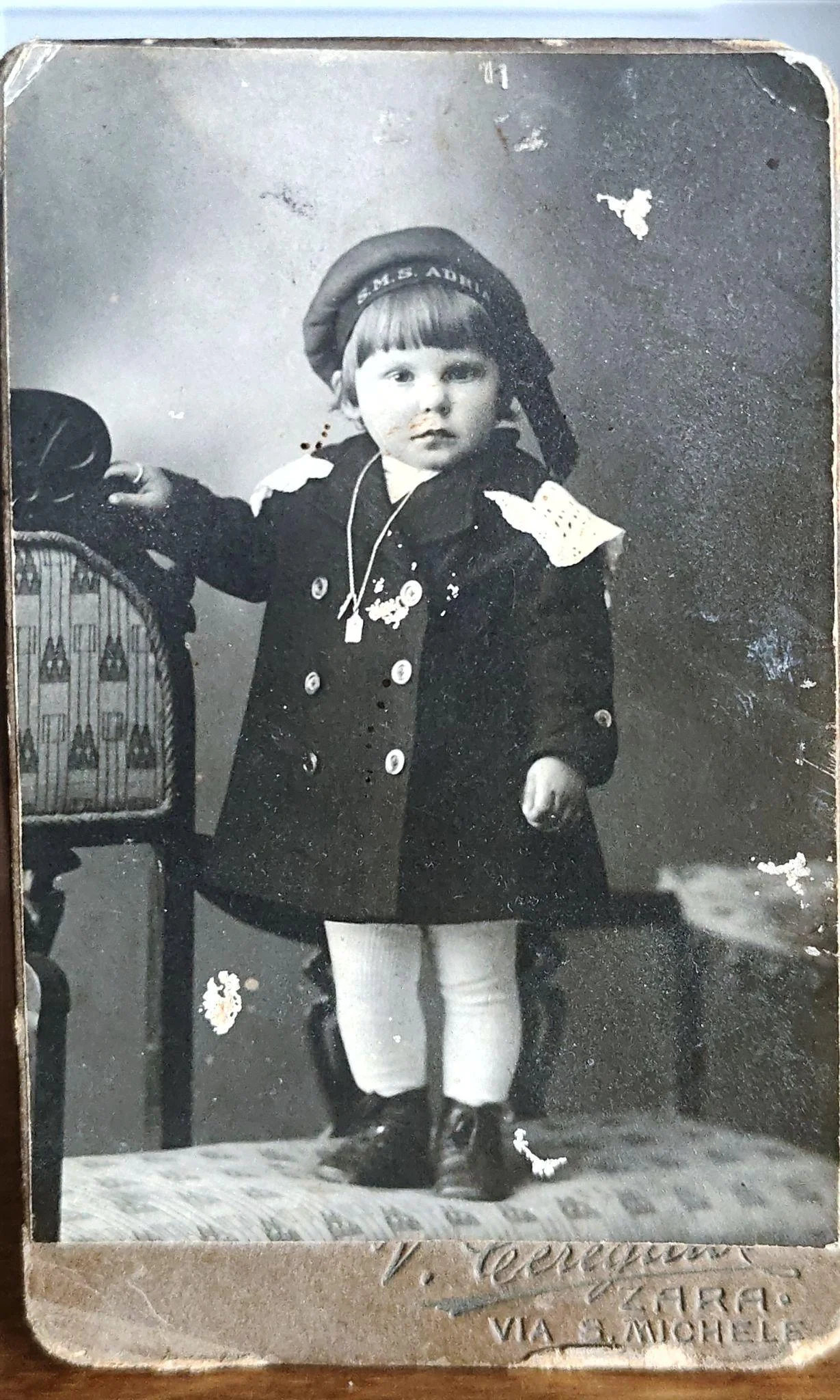
The family was the foundation of life on Silba. Multiple generations often lived and worked together, sharing the daily duties, customs and values that were passed down from one generation to the next. According to the author Petar Starešina, in the mid-18th century, in the evenings by the hearth, especially in winter, literate men would read to all their household members "Razgovori ugodni
naroda slovinskog" by Andrija Kačić Miošić.
Numerous family portraits tell stories of love, togetherness and respect, and also hide a secret or two...
THE GREATEST TREASURE – CHILDREN (7)
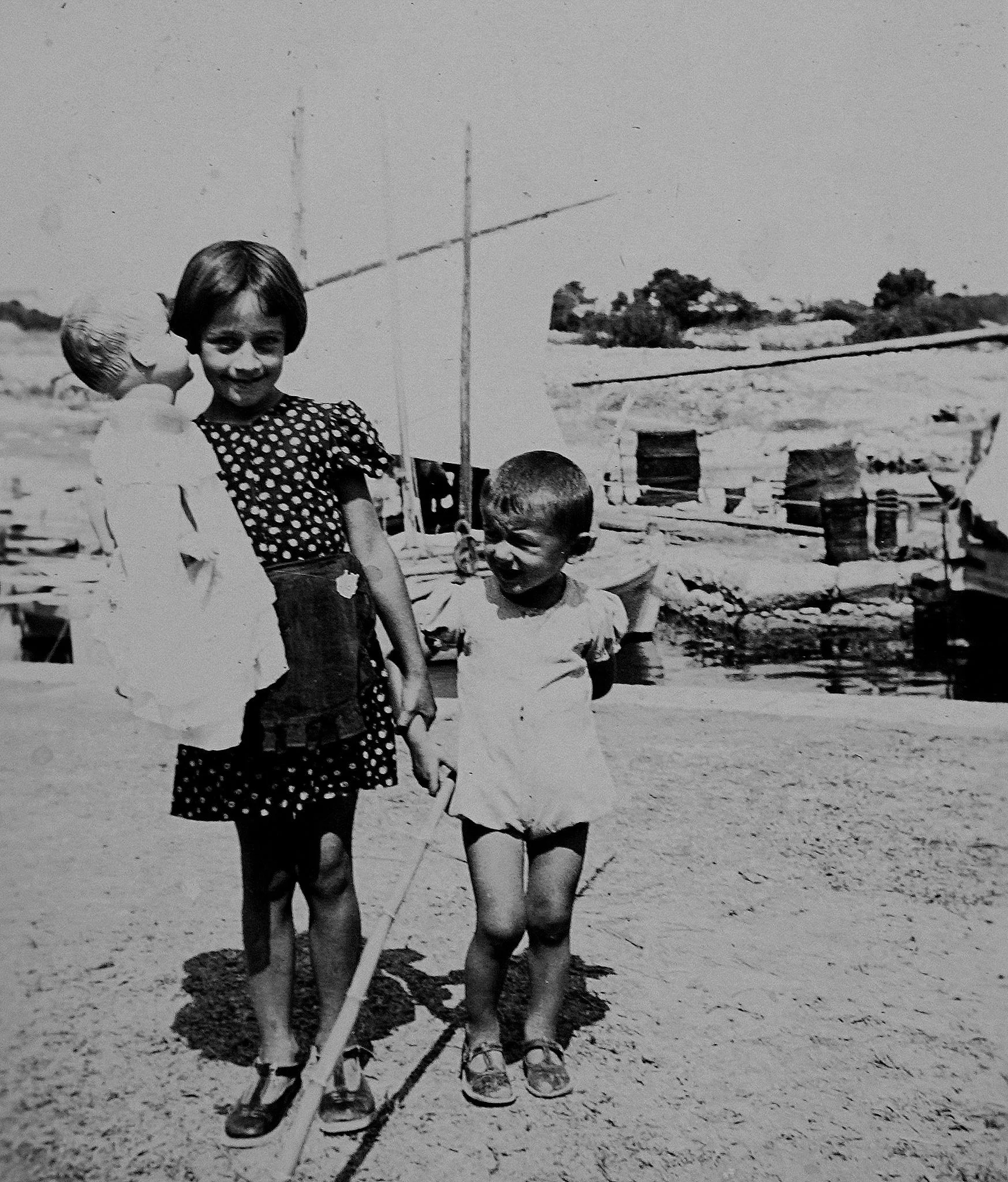
Children were the treasure of each community, especially of the one of a small island. They grew up in an environment where everyone knew one another and shared the everyday joys and duties together. Although the number of children gradually declined after the wars, young people still formed an important part of the island community and its daily life. Thus, as early as 1927, a kindergarden (zabavište) was founded on Silba.
THE SCHOOL (5)
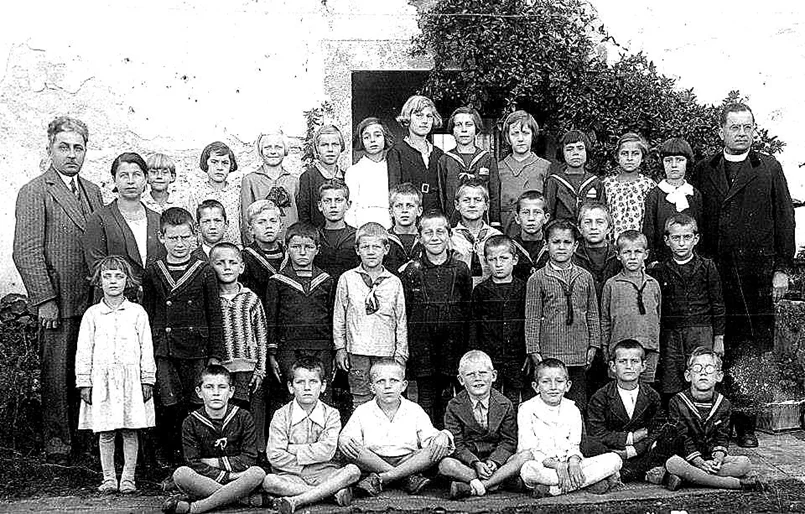
The school was not just a place for acquiring knowledge, but also an important centre for gathering, friendship, and the shared upbringing, socialising, and friendship of the island's children. Since 1907. there was a primary school on Silba. Ever since that time, numerous generations have attended the school, and they still remeber memorable and dedicated teachers, such as Angela Žorž, Silba native ‘Meštar’ Lovrović, Ruža Sambunjak, Katja Telesmanić, born Vekjardo, Ankica Paulina, Marija (Maca) Brnetić and others.
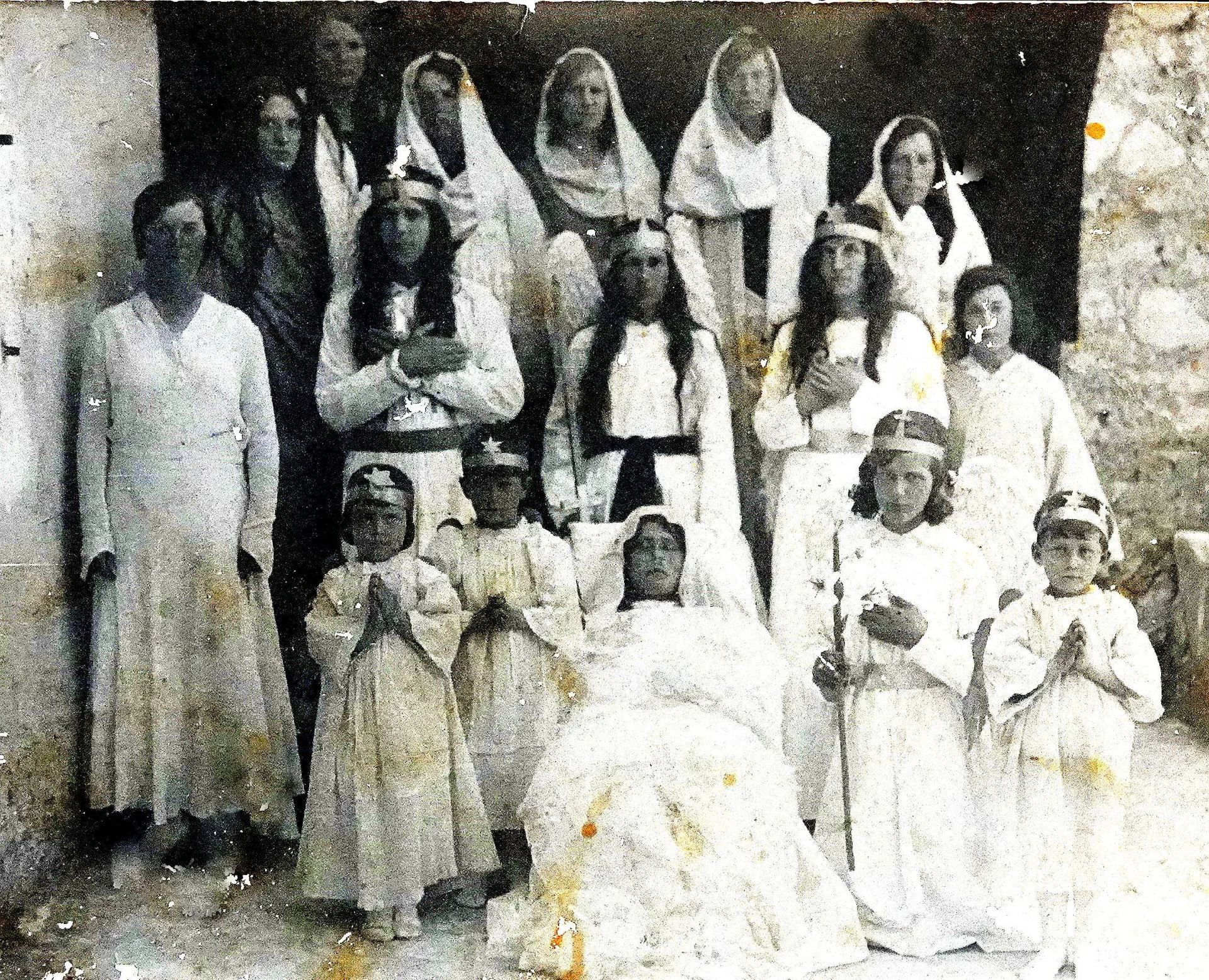
THE SPIRITUAL LIFE OF CHILDREN (6)
The spiritual life of the children on the island was rich. On Silba, holidays such as St Nicholas, St Lucy, St Thomas (when the pig was slaughtered), Christmas Eve, Christmas Day, St Stephen's Day, St Joseph, Corpus Christi, St Anthony and others were particularly celebrated. However, the most joyful time for the children was Christmas, when they received presents. Another major religious event for the children was their First Holy Communion, which the oldest still remember today. Moments of celebration, gatherings and performances have been captured through the camera lens, bearing witness to how spiritual values were passed on to younger generations.
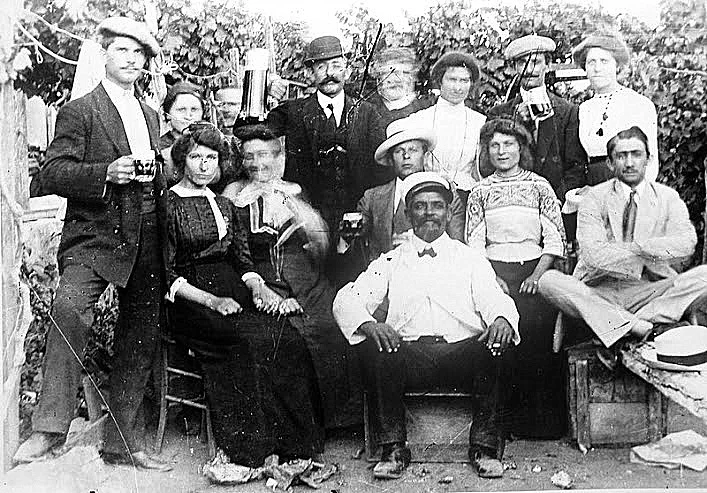
YOUTH AND ENTERTAINMENT (9)
Summer was the most exciting time of year for young people of all generations. However, in the old days, young people entertained themselves all year round, especially on Sundays after the evening
rosary. Then, in the village hall (sala / šala), they would perform the dance called the Silbenski tanac and many other popular dances of the time, such as the tango, waltz and polka. Dancing also took place during holidays and festivals, for example on the eve of St John's Day, when they would light a bonfire (koleda) and jump over it. Between the two World Wars, girls used to gather at the place called “na fabriki”.
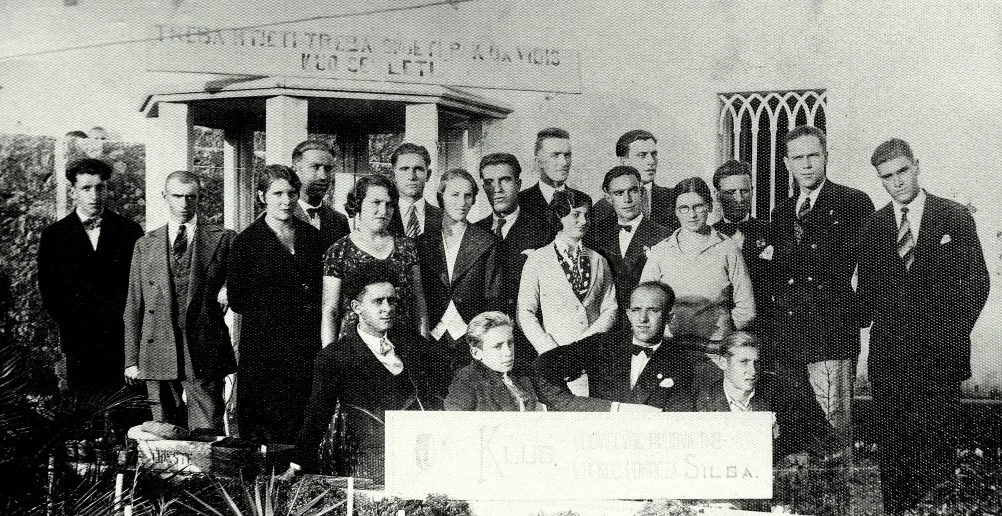
THE BEARERS OF SOCIAL LIFE (7)
Group photographs were an opportunity to record important moments of togetherness, family gatherings, school leavers, and local festivities, as well as the cultural and political engagement of the residents. In the early 20th century, numerous societies were active on Silba, such as the Marian Congregation and the Crusaders, which nurtured the dramatic, educational and religious aspects of life, and the Hrvatski Sokol, which strengthened national consciousness and brought fresh socio-political news that was discussed daily.
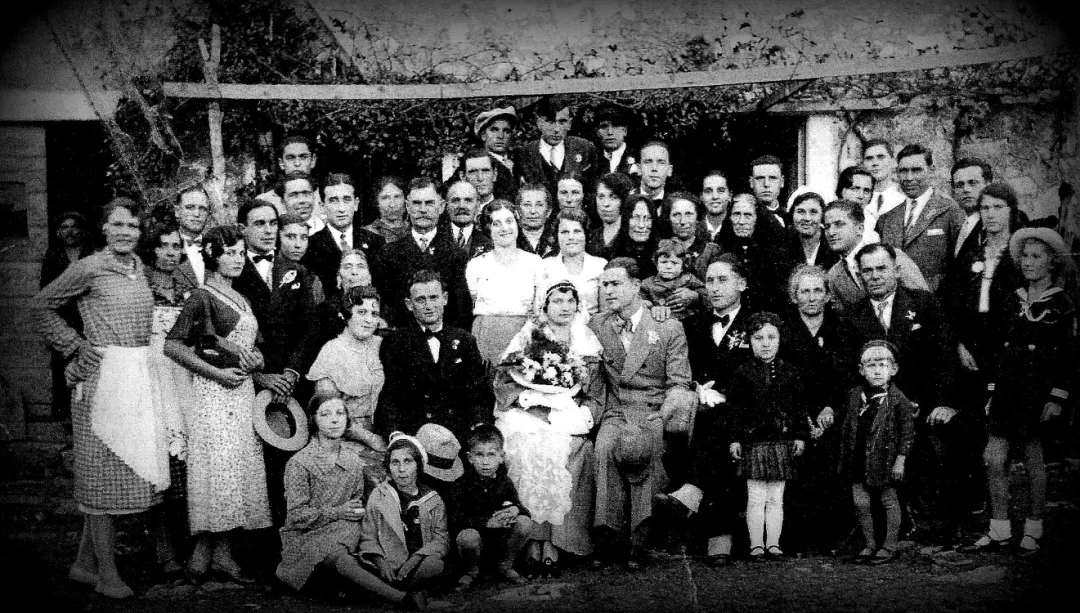
WEDDINGS (9)
Weddings were important social events that brought together relatives, friends and other residents. On Silba, girls married between the ages of 25 and 30, while young men married between the ages of 30 and 40. Weddings were usually held on Wednesday or Saturday afternoon in the main church. The wedding festivities would begin with the guests gathering at the bride's home, after which the bride and groom, the best man and woman, and the rest of the wedding party would set off in a procession, two by two, towards the church. They were led by an accordionist who would play a march. All the clothing for the bride and groom had to be new and was never borrowed. Through the formal attire of the couple, we can often glean information about an individual's social status, as well as the fashion of the period.
WORK (12)
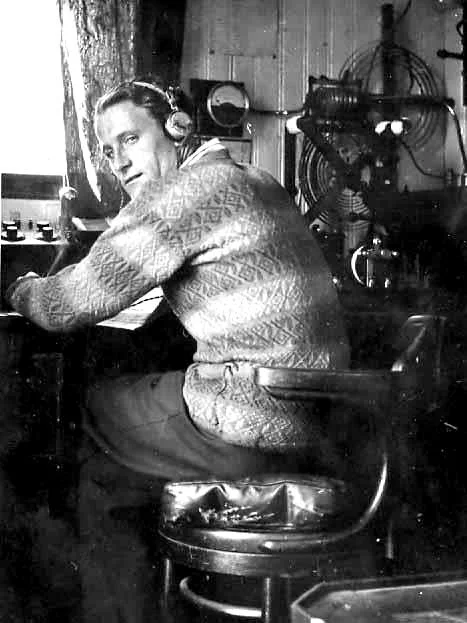
For centuries, life on Silba has been connected to the sea, seafaring and the work that provided everything needed for life on the island. The people of Silba have long been engaged in fishing,
livestock farming and agriculture. However, their greatest success, particularly in the 18th century, was as captains and shipowners
(paruns). Travelling the world, they brought urban culture and material and intangible heritage to their community, which is still visible today. At the beginning of the 20th century, four co-operatives were established on Silba: the Consumer and Trades Co-operative, the Dairy Co-operative, the Fishermen's Co-operative and the Village Co-operative. The photographs of their work document the deep connection between man and nature, their dedication to their work and the pride that stems from it.
DAILY LIFE (6)
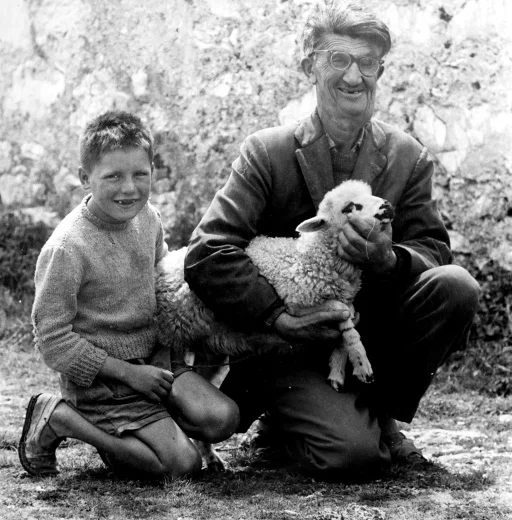
Recorded moments of work, socializing, family gatherings and daily chores bear witness to a way of life that shaped generations of islanders. Until the Second World War, daily life was mostly centered around the home and the extended family. Sometimes, young men and older men would gather in someone's courtyard for a glass of wine with water (bevanda) and a bread bun (bubica). As early as the 20th century, they would gather in establishments such as Trattoria Polovich and Adriatico (later Gostiona Jadran). Each photograph preserves a personal story and a memory of the people and the time in which they lived.
MASQUERADE (8)
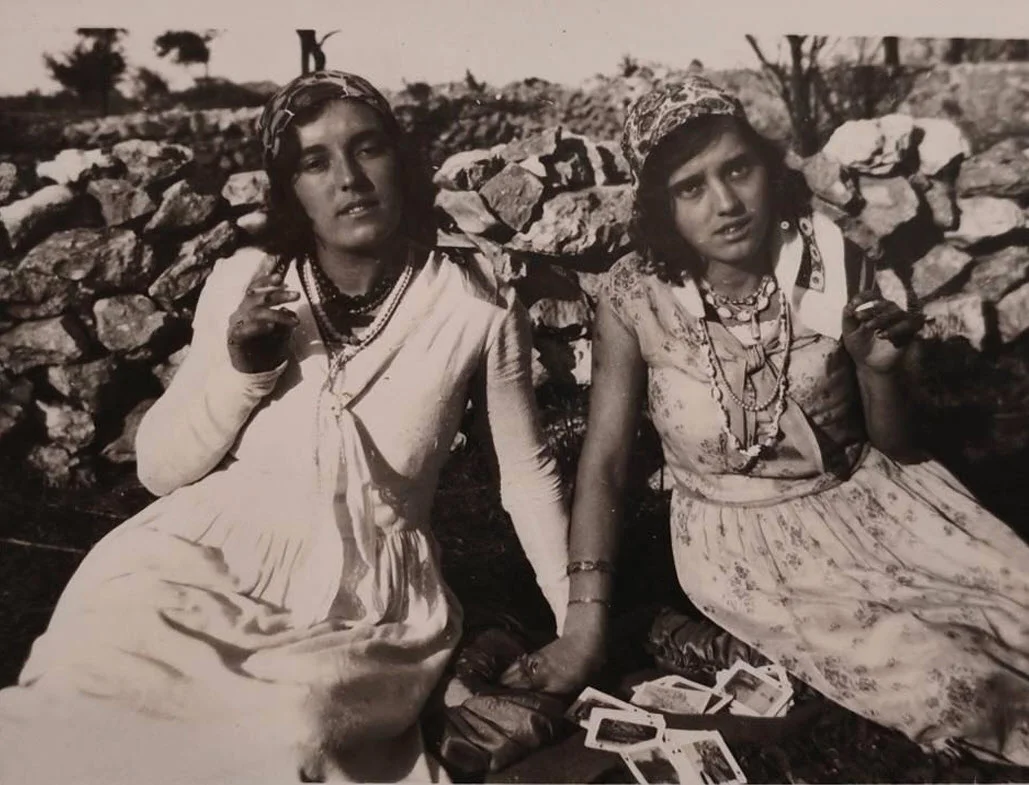
The Masquerade (mesopust) was one of the most eagerly awaited events of the year. It lasted from the Epiphany (6th January) until Ash Wednesday, and the entire period was marked by dance
evenings. For the most part, these were group costumes that had to be registered with the main organizer (cappo di ballo).
On Shrove Tuesday, the karneval (the carnival puppet) was burnt, so that all the worries could burn with it. Older locals remember carnivals in the guise of Louis Armstrong or Winston Churchill.
Exclusively during the masquerade, children were allowed into the hall for the “children's ball”. After the cry: “Here comes the children's dance!”, the children would rush into the circle!
DEPARTURES (5)
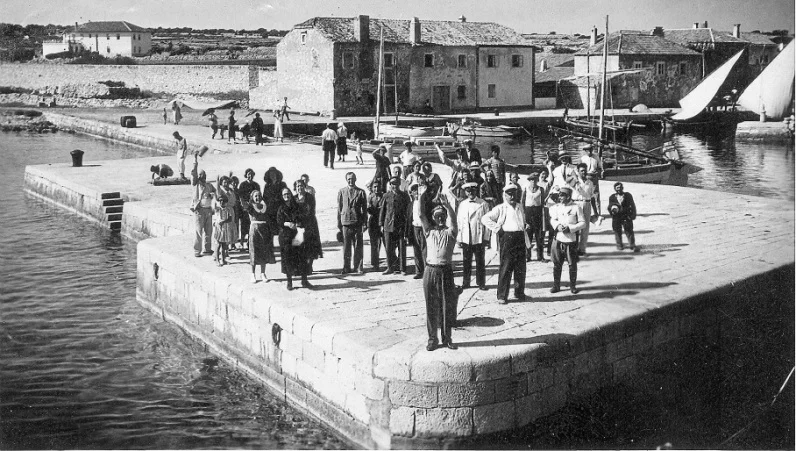
For the sake of education, employment or the search for better living conditions, many inhabitants of Silba had left their island over the years. Some lived in nearby towns and visited their native Silba at weekends, while others left for longer periods, or even for good. With the coming of steam propulsion, Silba's wooden sailing ships slowly disappeared in the past, and the large steamship companies took over. Silba became a regular port of call on the routes that connected the northern and southern Adriatic. Thus, the island was regularly visited by a ship from the Austrian Lloyd company line, connecting Silba with Trieste and Venice, and a ship from the Ungaro-Croata company, which linked it with cities from Rijeka to Zadar. For the small island community, the arrival of the ship was the only connection to the outside world, but also an excellent opportunity for socializing with other residents. Photographs of departures witness the emotional farewells of loved ones.